Building Beyond the Noise: A Solo Founder's Guide to Niche AI Hardware
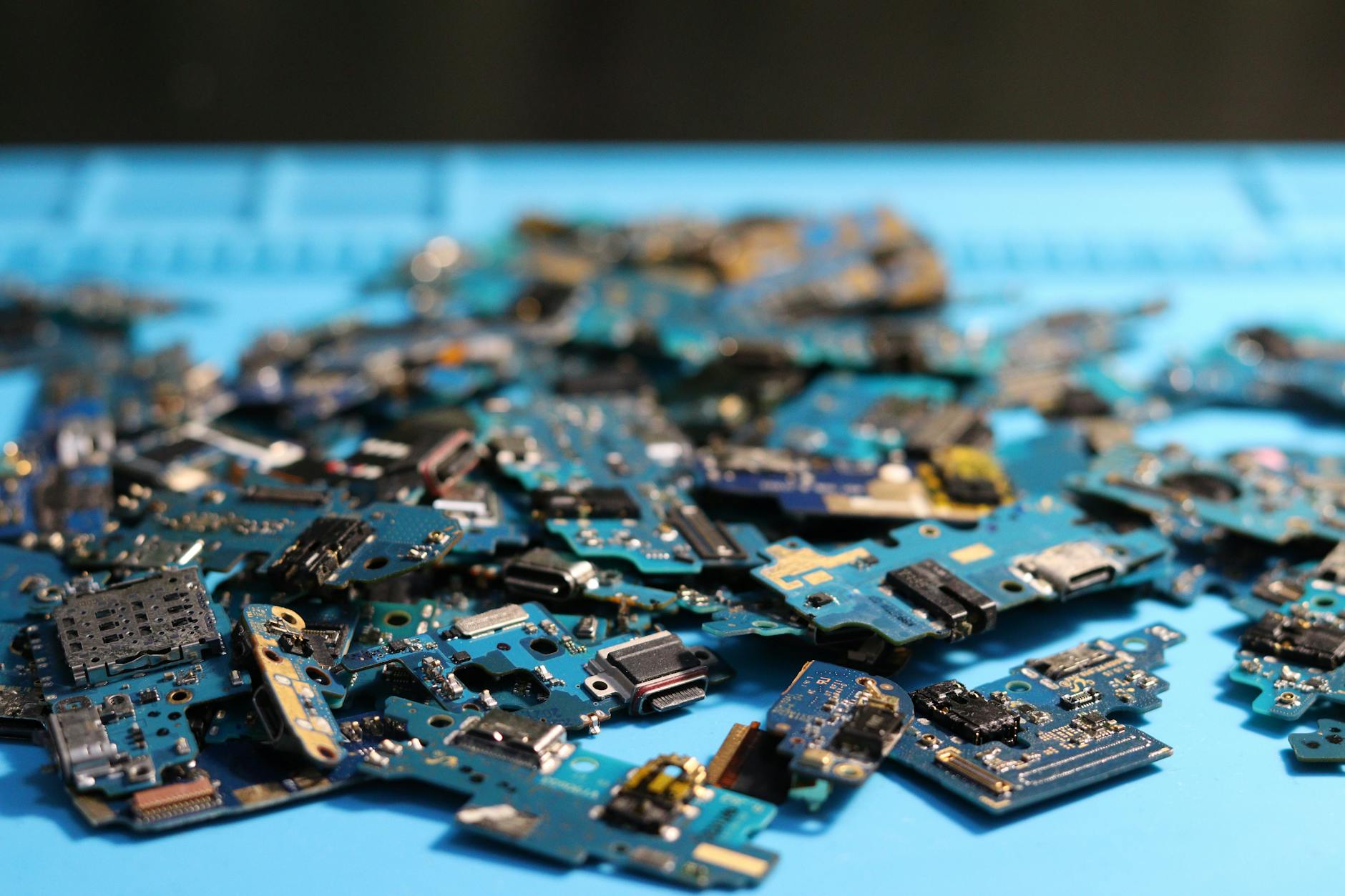
Photo by Fotografia Lui Vlad via Pexels
Published on Alfo Tech Industries Blog · by Alfo Tech Industries · August 8, 2026
Ditch the hype surrounding generic AI and smart speakers. The real opportunity for solo technical founders lies in crafting physical, purpose-built devices that solve specific problems. This is the realm of niche AI hardware, where intelligence is embedded directly into devices, offering a tangible, lasting advantage over software-only competitors. It's not for the faint of heart - the path is fraught with challenges. But for those willing to take on the complexity, the rewards are substantial.
In this article:
- The Real Frontier: Niche AI Hardware Market Growth
- Engineering Reality: Building Niche AI Hardware
- Niche AI Hardware: Your Strategic Edge
- The Future of Niche AI Hardware
- Carving Out Your Corner of the Future
The Real Frontier: Niche AI Hardware Market Growth
The edge AI hardware market is exploding, with estimates suggesting a rise from $1.86 billion in 2024 to nearly $5 billion by 2032, according to databridgemarketresearch.com. Other forecasts, like psmarketresearch.com, predict an even higher growth to $23.8 billion in 2024, reaching $87.9 billion by 2032. The consensus is clear: this sector is experiencing rapid growth driven by the need for real-time processing, enhanced privacy, and offline capabilities. Consider the automotive, industrial automation, and healthcare industries, which are leveraging on-device AI for immediate decisions and data privacy. The healthcare sector, in particular, is projected to experience a robust 19.21% CAGR between 2026 and 2031, as reported by market.us.
Engineering Reality: Building Niche AI Hardware
Crafting physical AI products demands a confrontation with harsh engineering realities. You're not just deploying a model; you're designing the silicon that runs it. General-purpose CPUs are often inefficient for specialized AI workloads, which is where Field-Programmable Gate Arrays (FPGAs), Application-Specific Integrated Circuits (ASICs), and Neural Processing Units (NPUs) come into play. These technologies are the foundation for superior efficiency, lower latency, and reduced power consumption. Choosing the right processor, whether a custom chip or an off-the-shelf NPU, is a critical decision that impacts everything. Efficient memory and data flow organization are also paramount, with point-to-point topologies offering more stability than shared buses. And then there's power and thermal management - custom AI chips require careful system design to prevent overheating.
Niche AI Hardware: Your Strategic Edge
For a solo founder, entering the hardware space can be daunting. Research indicates that 70% of solo founders fail within the first two years, according to theentrepreneur.studio. However, a strategically chosen niche in AI hardware offers a nearly impenetrable competitive moat. By targeting a specific, underserved problem with a purpose-built device, you can create a unique value proposition. Consider a real-time fall detection system for elderly care that processes everything on-device for instant alerts and ultimate privacy. This approach allows for unique data collection and processing, creating a superior user experience. The challenge, however, is significant, with psychological burnout, funding difficulties, and a massive skill gap in hardware manufacturing and supply chains. Despite these hurdles, the potential rewards are substantial, including deep defensibility and direct value creation.
The Future of Niche AI Hardware
The 'edge vs. cloud' debate often overshadows the truth: the future is hybrid. While on-device processing offers compelling benefits like privacy, low latency, and offline functionality, the cloud still reigns for heavy model training and vast data storage. Enterprises often start with cloud AI but are moving towards proprietary AI hardware in private clouds or on-premise for specific workloads. This shift isn't a concession; it's an optimization. The diverse market size estimates for edge AI hardware highlight the nuances of this ecosystem, where general-purpose hardware, specialized edge devices, and dedicated cloud-based AI infrastructure will coexist and complement each other. As a solo founder, your task is to identify where your niche AI hardware belongs in this evolving landscape, extracting value from the precise intersection of physical product and intelligent processing.
Carving Out Your Corner of the Future
The world doesn't need another generic device that relies on the cloud for every decision. It needs precise, robust, and physically present intelligence. For solo technical founders, the path to building niche AI hardware is fraught with challenges, including funding, specialized skills, and manufacturing complexities. But the strategic advantages are real: deep defensibility, direct value creation, and a product that can't be replicated with a simple software update. This isn't just about innovation; it's about creating a specific corner of the future, powered by silicon and sharp intent. If you have the grit to go beyond the screen and into the physical world, the opportunity is yours for the taking. By focusing on a specific problem and leveraging the right technologies, you can create a lasting impact in the world of niche AI hardware.
Conclusion
The opportunity to build niche AI hardware is substantial, offering solo founders a chance to create real value and carve out a specific corner of the future. While the path is fraught with challenges, the potential rewards are significant. By focusing on a specific problem, leveraging the right technologies, and prioritizing security and privacy, you can create a product that truly adds value to the world. So, if you're ready to take on the challenge and go beyond the screen, the future of niche AI hardware is yours for the taking.
FAQs
Is it feasible for a solo founder to build a hardware product with AI?
It's undoubtedly challenging, but feasible by focusing on a narrow niche and leveraging available components and open-source hardware initiatives. Success depends on precise problem identification and a relentless focus on minimal viable product. With the right approach, a solo founder can create a valuable and unique product.
What's the biggest mistake a solo founder can make when attempting niche AI hardware?
The most common pitfall is over-scoping the project and trying to compete directly with larger players. Instead, focus on a specific, underserved problem and build a device that solves it exceptionally well. Niche means narrow, and narrow dramatically reduces complexity. By staying focused, you can create a product that stands out in a crowded market.
How do I identify a truly underserved market for a dedicated AI device?
Look for problems where current software-only solutions fail due to latency, privacy concerns, or lack of connectivity. Observe industries with specific, repetitive tasks that would benefit from immediate, on-site intelligence without relying on a network connection. Talk to people in those fields; their pain points are your opportunities. By understanding the needs of a specific industry or problem, you can create a product that truly adds value.
What kind of AI models are best suited for edge AI hardware?
Smaller, more efficient models are ideal for edge devices, especially those requiring real-time inference. Consider image recognition for object detection, anomaly detection, or simple natural language processing tasks that don't need a massive foundational model. Model optimization for low-power chipsets is critical to ensure your device can perform well while minimizing power consumption.
How can I ensure the security and privacy of my niche AI hardware product?
To ensure the security and privacy of your product, consider implementing robust encryption methods, secure data storage, and reliable authentication mechanisms. Regularly update your software and firmware to protect against known vulnerabilities. Additionally, design your product with privacy in mind, minimizing data collection and transmission whenever possible. By prioritizing security and privacy, you can build trust with your users and create a product that stands out in a crowded market.
Sources & Further Reading
- databridgemarketresearch.com
- psmarketresearch.com
- mordorintelligence.com
- bigdatasupply.com
- n-ix.com
- couchbase.com
- qualcomm.com
- fortunebusinessinsights.com
- market.us
- marketsandmarkets.com
- intechhouse.com
- agnisys.com
- amazon.com
- hypertxt.ai
- theentrepreneur.studio
- dailyaiintel.com
- venturebeat.com
Alfo Tech Industries Blog — Alfo Tech Industries Blog is published by Alfo Tech Industries, an AI‑native, founder‑focused product ecosystem building automation, AI tooling, and technical systems for independent creators and small teams.

Comments
Post a Comment