SpaceX’s $150 M/month AI compute pact with Reflection AI explained
SpaceX’s $150 M/month AI compute pact with Reflection AI explained
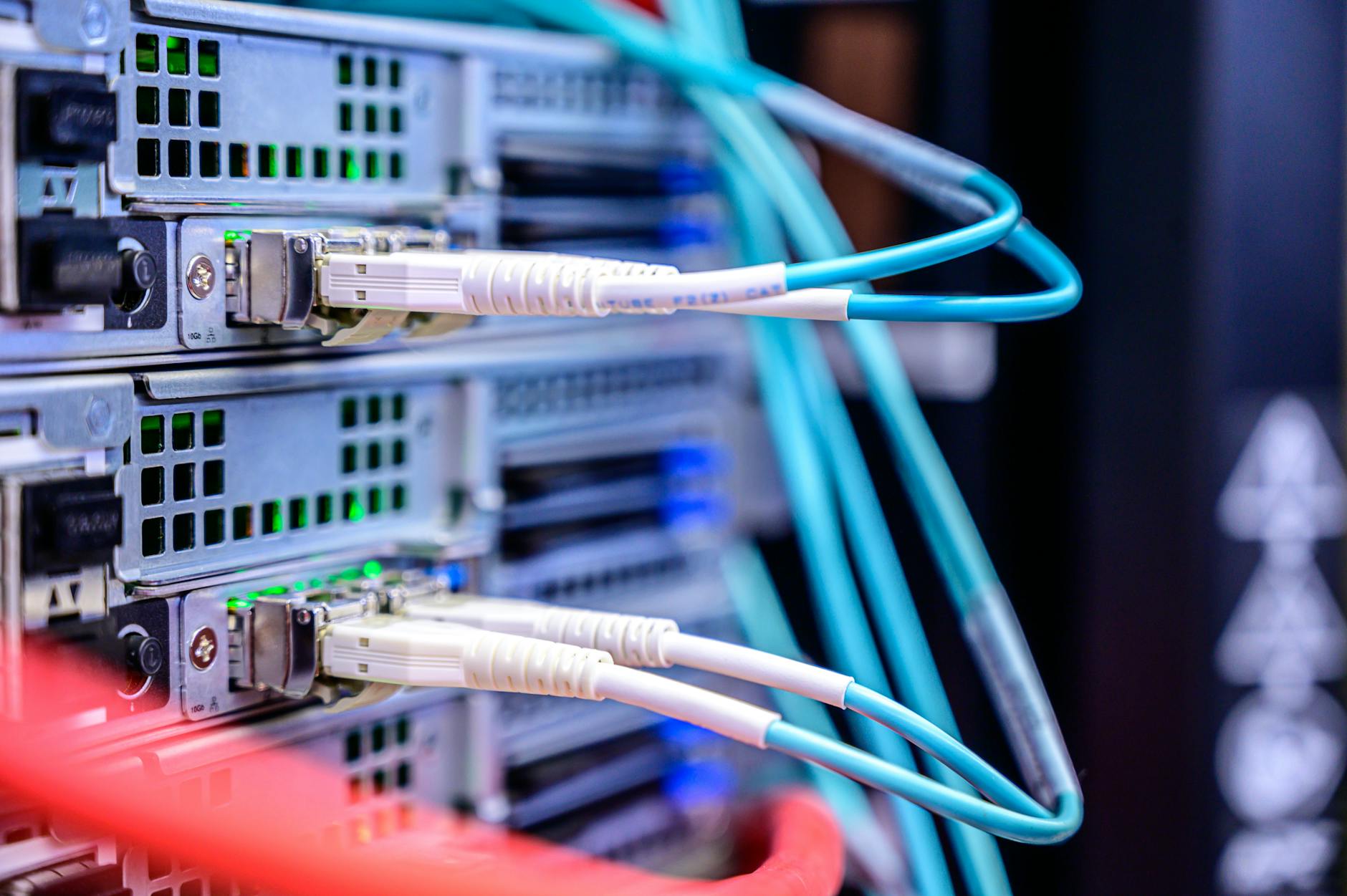
Photo by Brett Sayles on Pexels
Why SpaceX needs a dedicated AI compute pipeline
SpaceX dropped a bombshell with its AI super-cluster announcement. Rockets were the main attraction. To be fair, not GPUs, surprisingly.The buzz was intense, with everyone speculating about what this meant for. They're pushing boundaries. GPUs will likely play a role, though. Artificial intelligence is a key part of their strategy, after all.This AI super-cluster is a significant development. Still, the focus was on rockets.
The Colossus 2 facility near Memphis is a behemoth. Thousands of Nvidia A100s line the racks, evidence of the massive scale of the operation. Engineers run complex tasks: telemetry analysis, trajectory simulations, and large-scale language model training all happen simultaneously. This is expensive. The cost of powering the hardware, cooling loops, and custom power-distribution units designed for SpaceX's starship launch sites adds up quickly. Still, leasing idle capacity helps offset some of these costs. The company keeps the machines running at high use, which is key. Interestingly, by doing so, SpaceX can ensure the facility remains viable, even when not fully utilized by internal projects.
SpaceX is pushing to embed AI in autonomous landing systems. Big timing. In many cases, the same chips handling massive transformer layers can accelerate computer-vision pipelines for booster landings. This overlap creates a hub for projects and partners at Colossus 2. Honestly, pretty convenient, actually. At the same time, natural fit for both internal and external work.
What the GB300 chip brings that older generations lack
The GB300 is a significant upgrade. Honestly, compare it to the H200 and you'll see a stark difference. At the same time, this isn't just a minor tweak, the changes are substantial. Honestly, clearly, the GB300 outperforms its predecessor. Difference is night and day. The improvements are evident in every aspect., the GB300 leaves the H200 in the dust. Simply put, the new model is better.
Raw FLOPs aren't everything. In many cases, the new silicon brings a tiled memory hierarchy, slashing latency for transformer workloads. That said, this is huge for large models. Each tile pairs high-bandwidth SRAM with a dedicated scheduler, which keeps more of the attention matrix on-chip. Interestingly, no more shuffling across the PCIe bus. The result? A much smoother scaling curve past the 1-trillion-parameter mark. Nvidia's own lab saw a 30% reduction in time-to-convergence for standard language-model training. That's significant.
Cheaper training runs. To be fair, this matters for anyone with access to the right hardware. Reflection AI's models, available for free under an open-source license, now support faster iteration cycles. Which means, no public cloud spot-instance market required. Faster cycles mean better results, and that's a big deal.
Reflection AI’s business model and why $150 M/month makes sense
Reflection AI's business model is simple. They give away free, open-source models. Still, this approach has its benefits. By doing so, they can monetize compute, creating a steady revenue stream through usage fees. That's the key. Their model is built around this concept, allowing them to profit from the computational power required to run these models.
A $150 million monthly bill sounds crazy. But break it down and the cost per token is just a few cents when the hardware's running full tilt. Spread across multi-trillion-parameter training runs, the expense becomes manageable. Dozens of parallel experiments will run simultaneously, each sucking up several petaflops of GPU time. This drives the per-run cost way down. The pricing agreement is set for three years, so Reflection won't get hit with the usual price hikes that come with new Nvidia silicon launches. That's a big deal.
Cash flow gets a boost. Predictable expenses are a luxury for startups like Reflection, which typically rely on grants and donations. This partnership changes that, providing a steady expense line - a rare commodity. The $150M investment secures compute certainty, a strategic move. Not just a flashy price tag.
Implications for the broader AI hardware market
The ripple effect on the AI hardware market is already visible. Changes are happening.This shift is driven by advancements in deep learning and natural language processing, which require significant computational power and specialized hardware. AI hardware is evolving. New players are emerging, too.
Nvidia's getting requests from other startups. They want enterprise-grade access, similar to what SpaceX has. If this model pays off, we'll see a shift. Compute-as-a-service deals will become the norm. Satellite-launch firms, data-center operators, and renewable-energy companies will lease out underutilized GPU clusters. This diversifies revenue streams for companies that typically sell hardware outright. Pricing will get locked in before the next silicon generation arrives. That could force Nvidia to rethink their licensing tiers.
A $150 million per month figure. That's the benchmark for high-end GPU farms when fully booked. Smaller operations will struggle to compete. They'll need to adapt, maybe by bundling services or targeting niche areas where a GB300's performance edge makes sense. This could be areas like complex simulations or high-end rendering, where the extra power is worth the cost. Big players are already commanding top dollar.
Frequently Asked Questions
How much is Reflection AI paying SpaceX for the GB300 chips?
We're talking big numbers: $150 million monthly. From July 1, 2026, to December 31, 2029, that's the expected influx. The thing is, a substantial amount, no question. The financial impact will be significant during this period. Monthly payouts will total $150 million. That's a lot of money. The timeline is set, with the funding spanning nearly four years.
What type of workloads will the GB300 chips run at Colossus 2?
Large-scale language-model training is the main focus. This will happen primarily. The hardware's capabilities extend beyond that. Supporting SpaceX's internal vision and simulation pipelines is also key. Pipelines are crucial.They play a significant role in the company's strategy, allowing for more efficient simulation and vision processing.
💡 Expert Tip: Keep an eye on Colossus 2's power-draw metrics. Bottlenecks show up here first. That said, these metrics can reveal issues before any official performance claims are made, giving you valuable insight into the system's capabilities and potential limitations. The thing is, they're a key indicator.
Final Thoughts
The line between aerospace infrastructure and AI compute is blurring. What's the next move? Companies like SpaceX are already repurposing idle GPU capacity to generate revenue. Pricing pressures will likely play a role. Will others follow suit or back off due to market forces making these deals unprofitable? The aerospace industry is watching closely, as AI compute demands continue to rise and GPU capacity remains underutilized. Pricing will be key.
Source: https://techcrunch.com/2026/06/22/spacex-inks-compute-deal-with-reflection-ai-an-open-source-ai-lab/

Comments
Post a Comment