NVIDIA RTX Pro 6000 Blackwell now costs $13,250 – why the jump matters
NVIDIA RTX Pro 6000 Blackwell now costs $13,250 – why the jump matters
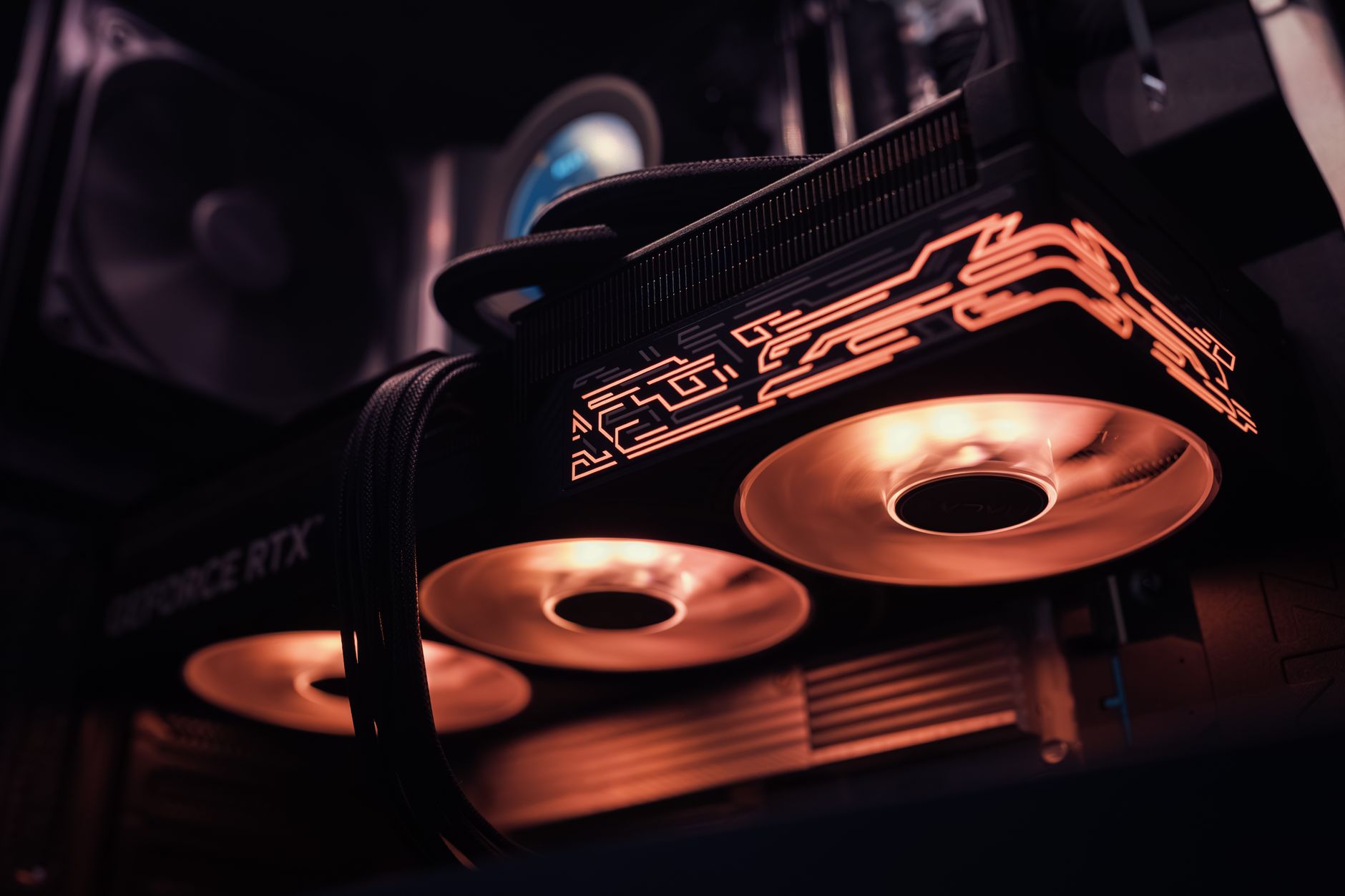
Photo by Matheus Bertelli on Pexels
The new sticker price and what it actually means
The total's come out to $13,250. And yet, that's a lot. Prices fluctuate constantly, affecting the cost. Still, this number seems high. Budgets are tight. Expenses add up quickly. The final tally is $13,250.
The price jumped. From $8,500 to a much higher figure, which raises eyebrows. This increase doesn't feel like a typical inflation adjustment, but rather a deliberate shift towards catering to a niche. Market, one that's willing to spend a car-like budget on a product that was once more affordable. Big change. Which means, clearly, the target audience has changed too.
Studios usually pay more. The cost exceeds a mid-range render farm. Brand cache matters. Warranty guarantees and driver stability are key. And yet, nVIDIA's Pro line traditionally delivers on these promises, which is why the decision to buy often isn't just about raw compute power.
Why NVIDIA might be charging car‑price tags now
Supply chain issues persist. At the same time, they've been a thorn in the side of many businesses for years, causing delays and increased costs. At the same time, still a problem. Global events have only exacerbated these supply chain woes, making them a major concern for companies worldwide. Disruptions happen. The thing is, and they can be costly.
NVIDIA's tactics go beyond mere shortages. And yet, they're controlling inventory. High-margin customers get priority, plain and simple. In many cases, by doing so, they're keeping Blackwell silicon scarce, which artificially inflates demand. That's the strategy.
Scarcity is a problem. AI workloads are driving demand. Developers now pack multiple models into one 96 GB board, a significant change. This shift is convenient, and buyers are willing to pay extra for it. To be fair, single-board solutions simplify workflows.
Prices are high. The new memory stack, HBM3E, is costly to produce. Interestingly, this expense, combined with NVIDIA's significant engineering budget for the Blackwell architecture, drives up costs. At the same time, efficiency gains for transformer inference don't come cheap. NVIDIA's budget has ballooned. They're chasing every last bit of performance.
What professionals can realistically do with a $13k GPU
The price tag stares back. Do you really require 96 GB of VRAM, or are you just caught up in the hype surrounding high-end graphics cards with. Massive memory?That's a crucial consideration, especially since such large amounts of VRAM are typically geared towards extreme users. You probably don't.
AI startups often discover that two 48 GB cards work just fine. Parallelizing across nodes makes a huge difference. This approach can match the throughput of a modest cluster of older 24 GB models, which is pretty surprising.
Certified drivers matter. They prevent OpenGL pipelines from crashing mid-render. This saves visual effects houses a lot of hassle - days of re-work can be avoided with the Pro 6000's certified drivers.
Benchmark your workload. This means factoring in everything: total cost of ownership, power, cooling, and that support contract that's inevitably going to cost you. Still, convenience is nice. But is a single, massive memory pool worth the financial hit? Probably not for most people. You have to weigh the benefits against the costs. Total cost of ownership is key here.
Frequently Asked Questions
Why did NVIDIA increase the price of the RTX Pro 6000 Blackwell?
The hike. Honestly, blame component cost inflation. New HBM3E memory is scarce, driving up costs. This deliberate pricing strategy positions the card as a top-tier solution for enterprise-grade AI and VFX workflows, where reliability and stability matter. Warranty and driver support are key. Customers in this space prioritize these factors over the raw price tag.
💡 Expert Tip: Keep an eye on NVIDIA's OEM partnerships. They can be a big deal. The thing is, historically, bulk OEM deals slash list prices by 10-15%. To be fair, that's a huge discount. A $13k card suddenly looks more manageable for mid-size studios.
Final Thoughts
The RTX Pro 6000 Blackwell costs $13,250. Still, that's a lot. To be fair, buyers must weigh performance per dollar. Does a single powerful card still make sense or is a distributed setup better? This question matters. The high-end workstation market hangs in the balance, torn between embracing multi-GPU clusters now or waiting for the next generation to bring prices down. Performance per dollar is key.

Comments
Post a Comment