Amazon ramps up India AI push with $13 B infrastructure spend
Amazon ramps up India AI push with $13 B infrastructure spend
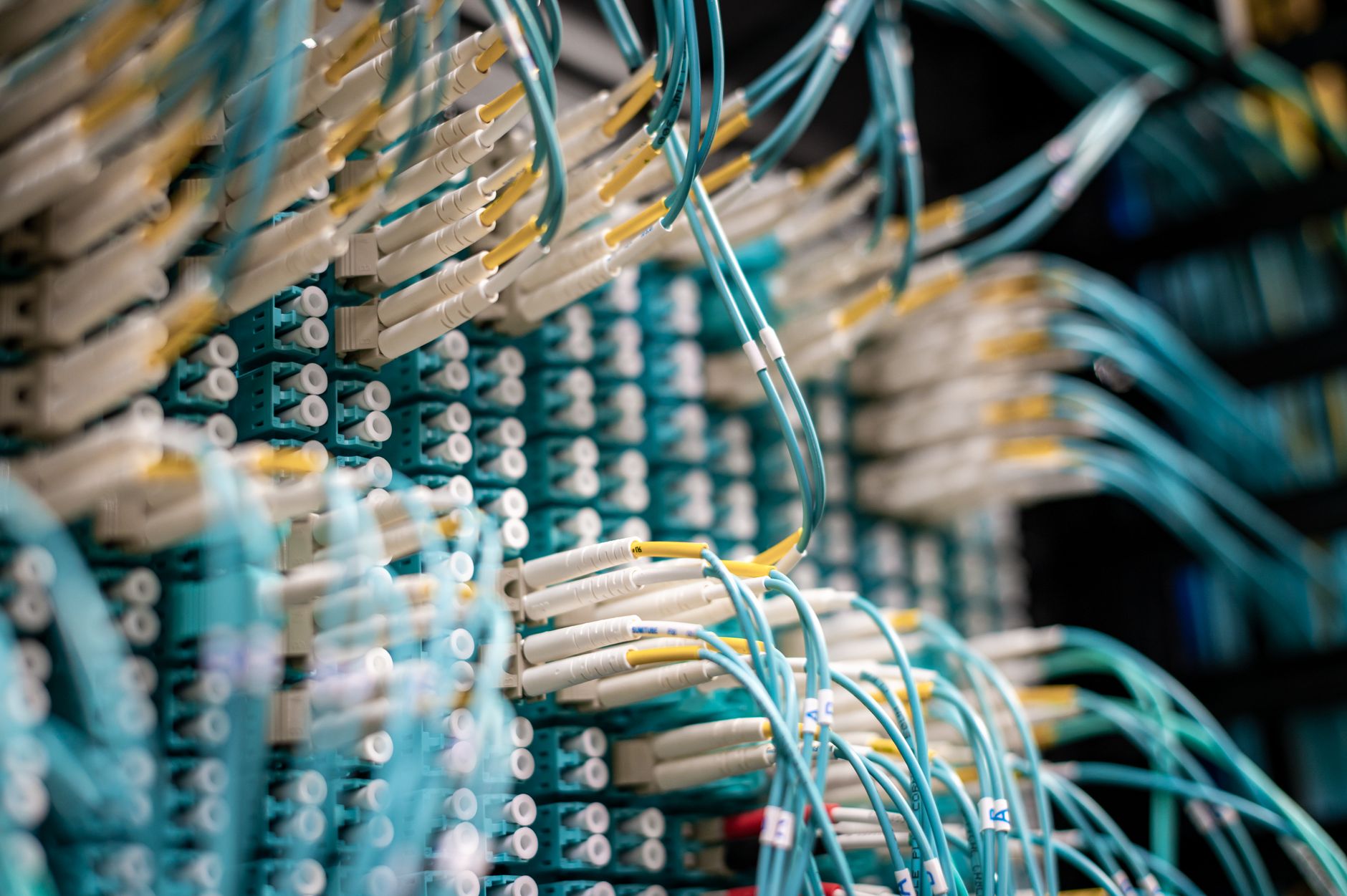
Photo: Brett Sayles via Pexels
Why the timing feels right
India's AI market has been quietly gaining momentum for years, a slow-burning fire that's now on the cusp of a major breakthrough. Policy incentives and a flurry of startup activity have created a perfect storm, making 2024 feel like the year everything comes together. As the government forges ahead with its digital public infrastructure, a significant shift is underway - one that's particularly notable in its relaxed stance on data localization, a move that's likely to make life. Much easier for multinational cloud providers like Amazon.With Indian enterprises currently drawing up budgets for AI pilots, the timing of Amazon's decision to enter the market couldn't be better.
The tech giants are making their moves, with Google and Microsoft already committing billions to Indian AI clouds. This is a market that's ripe for innovation, and Amazon's decision to jump in is about more than just keeping pace -. It's a bold declaration of faith in the Indian ecosystem's ability to support a massive, self-sufficient AI infrastructure. A single, well-placed investment can have far-reaching implications, and in this case, Amazon's bet is that India can thrive without needing. To rely on external resources, a notion that could have significant repercussions for the industry as a whole.
What the $13 billion will actually fund
A substantial chunk of the funds will be poured into constructing three hyperscale data centers in top-tier cities. In a move that acknowledges the limitations of physical infrastructure, Amazon is also establishing an AI research hub. This hub will collaborate with local universities, providing grants to support projects tackling the unique hurdles posed by. Language-specific challenges - a savvy decision, given the vast potential for innovation in this area. As Amazon spreads its roots in these cities, the company's influence is likely to be felt far beyond the confines of its data centers. Honestly, with its research hub, Amazon is essentially creating a pipeline for fresh ideas and talent, one that could pay dividends for years to come.
The allocation of a significant chunk of the budget to talent development is a shrewd move, with a focus on bootcamps, certification programs, and a rather intriguing fellowship that drops engineers. Right into the thick of Amazon's global AI teams.Talent gap - those two words have become all too familiar in the context of Indian AI initiatives. With this pipeline of skilled professionals slowly but surely taking shape, the prospects for Indian AI finally start to look a little brighter. A well-stocked talent pool, after all, can work wonders for the industry as a whole.
How this reshapes the competitive landscape
Indian startups just got a significant boost, thanks to the latest announcement - they can now tap into high-performance compute resources without breaking the bank, all while enjoying predictable pricing. Many were forced to navigate the often-treacherous waters of spot-instance markets, where costs could quickly spiral out of control, or. They had to invest in on-premise clusters that became outdated almost as soon as they were set up. To be fair, a new era has begun, with Amazon's expanded presence bringing within reach a previously unattainable tier of on-demand AI power that's actually affordable.
As the AI landscape continues to evolve, established enterprises are keeping a watchful eye on developments. Finance, healthcare, and logistics companies, in particular, have been dipping their toes in the water, experimenting with AI-driven forecasting and automation in a. Variety of ways.Locally hosted infrastructure, when done right, can be a real boon - it slashes latency, alleviates data-sovereignty concerns. And let's be honest, that's where the real challenge lies: taking a promising idea and turning it into a tangible, everyday reality that delivers results.
Risks and challenges on the horizon
The pitfalls of pouring all your resources into one region are stark. To be fair, in India, where the debate over energy consumption rages on, power outages can strike at any moment - a stark reminder that reliability is a luxury. Still, negotiating contracts for renewable energy, or perhaps even investing in on-site generation, will be crucial for Amazon if they hope to maintain some. Semblance of stability and keep their operations environmentally friendly.A single misstep in this delicate balancing act could have far-reaching consequences.
The regulatory landscape is a minefield, with shifts in policy.A sudden change in data-localization rules, for instance, could have far-reaching implications. But the company has clearly thought this through, building a flexible architecture that allows it to pivot. Quickly in response to new compliance requirements, thereby avoiding the need for massive, costly overhauls. With this approach, the company is well-equipped to handle the inevitable twists and turns that come with operating in a rapidly evolving regulatory environment.
What this means for the broader AI ecosystem
The investment's implications stretch far beyond the immediate commercial windfall. Confidence is key here. A single high-profile investment can have a profound ripple effect, nudging other venture capitalists to take the plunge and fund AI-focused startups. Now that they can see the necessary infrastructure - the compute backbone - slowly but surely taking shape.
As we look to the future, the ripple effect of AI advancements will likely manifest in a new wave of sophisticated products. Designed specifically with Indian languages and cultural nuances in mind - a demographic that has historically been overlooked. Local innovators, armed with the right data and computational power, now possess the means to craft solutions that. Will deeply resonate with millions of users, tapping into a vast and largely untapped market. The potential for genuine impact is vast.
Final Thoughts
Amazon's $13 billion pledge is more than just a flashy number - it's a shrewd investment in India's burgeoning AI market, one that could pay dividends sooner rather than later. The company is essentially putting all the pieces in place: infrastructure, talent, and research are being tied together. In a way that positions Amazon as a key player in this rapidly shifting landscape. What happens next will hinge on the ecosystem's ability to translate sheer computational might into tangible, real-world benefits - a tall. Order, to be sure - but with these foundations now firmly laid, the potential for growth is undeniable. And let's be clear: the speed at which this ecosystem matures will be the ultimate arbiter of Amazon's success.
Frequently Asked Questions
When will the new data centers become operational?
Amazon is anticipating a relatively swift rollout, with the first facility slated to be up and running by the end of 2025. The pace of progress will be closely watched, and if all goes according to plan, the remaining sites will follow suit in 2026, marking a significant expansion. A few short years from now, we can expect a fully operational network, a testament to the company's impressive capacity for growth.
Will Indian developers get any pricing advantages?
Amazon's latest move is a significant one: the company has introduced tiered pricing for AI workloads, and Indian customers can expect to pay less than they currently do. The thing is, a quick glance at the numbers reveals some substantial discounts. This shift in pricing strategy is likely to have a major impact on the market, especially for businesses and individuals relying heavily on AI-driven applications. In a single stroke, Amazon has managed to make its services more appealing to a huge segment of the market. Pricing has always been a critical factor in the adoption of new technologies, and by reducing the cost. Barrier, Amazon is essentially paving the way for wider acceptance of AI solutions in India.
Source: Read original report

Comments
Post a Comment